Norway: The "Solo Racer" of the Global EV Sprint — Ending the Era of Gasoline

AI Summary
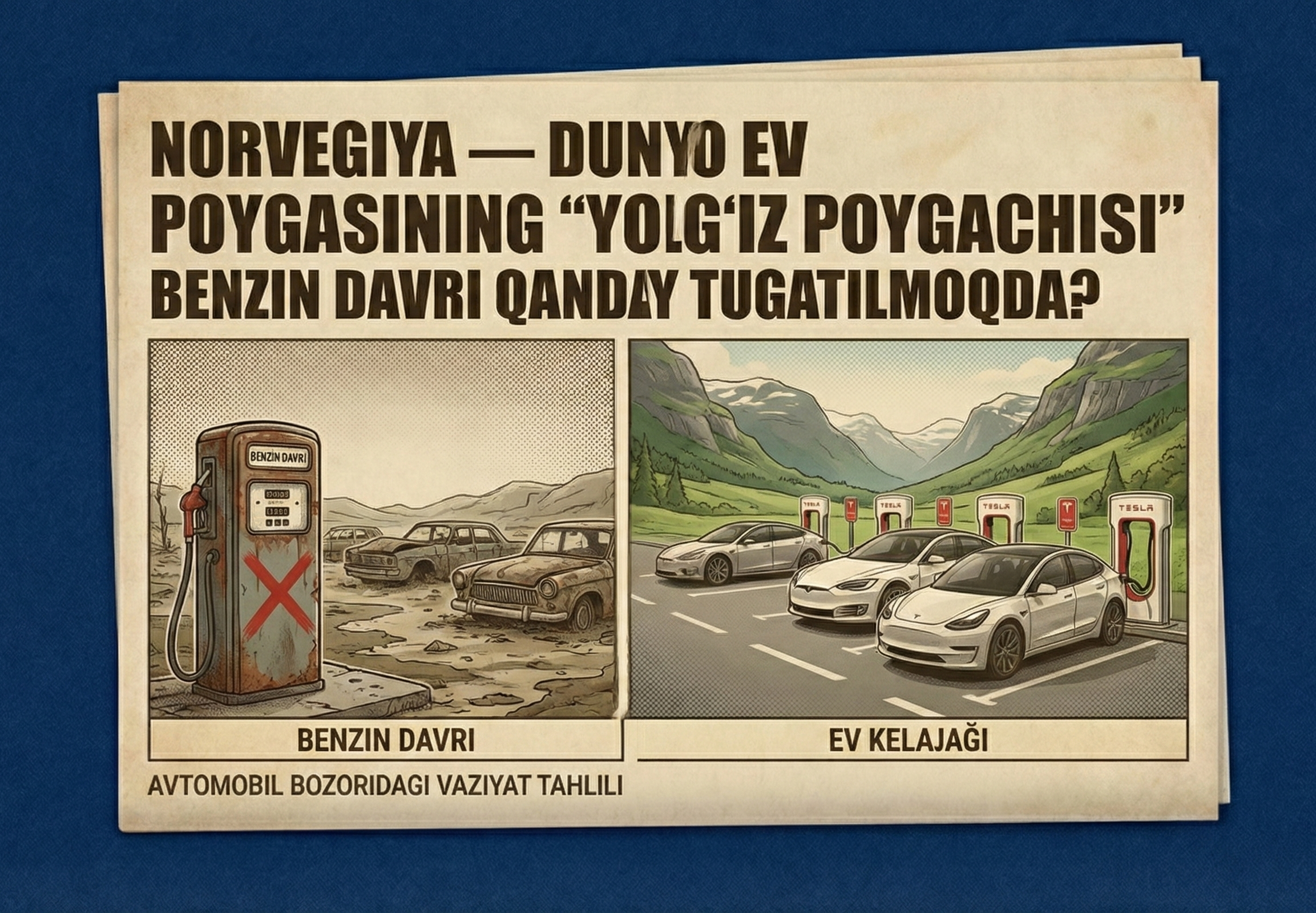
The year 2025 proved to be a milestone for Norway’s automotive industry, setting records that redefine the global energy transition. Official data reveals that a staggering 95.9% of all new cars registered in the country were fully electric, with December figures soaring to nearly 98%. This performance stands in sharp contrast to the European Union’s recent hesitation regarding its 2035 ban on internal combustion engines. With 179,549 new registrations, the market expanded by 40% compared to 2024.
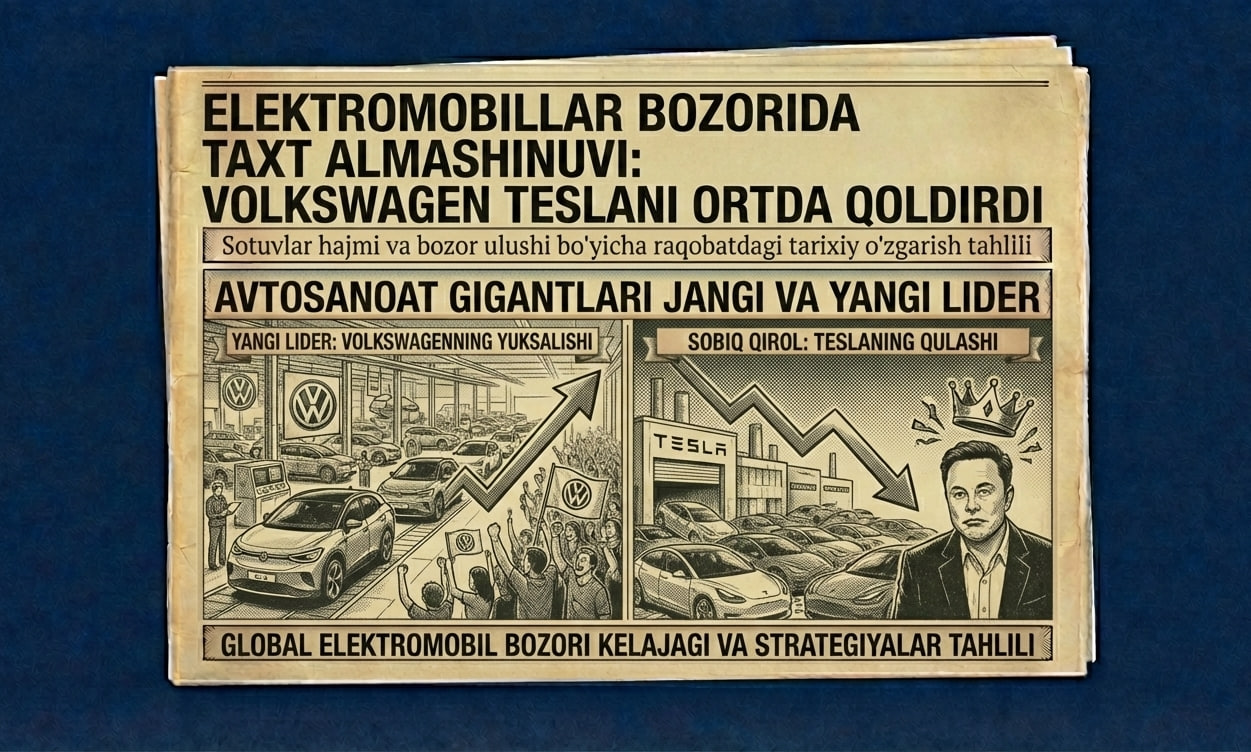
Tesla continues to dominate the Norwegian landscape, securing the title of the best-selling brand for the fifth consecutive year with a 19.1% market share. The Model Y, in particular, shattered historic records by selling 27,621 units within a single year. Simultaneously, Chinese manufacturers are gaining significant ground, now accounting for 13.7% of the market. Leading the charge is BYD, which more than doubled its sales volume, signaling a shift in consumer preference toward competitive Asian technology.
Norway’s success is a product of a deliberate "Carrot and Stick" strategy. Christina Bu, head of the Norwegian EV Association, emphasizes that high taxation on fossil-fuel vehicles effectively pushes traditional engines out of the market. Currently, internal combustion vehicles are largely relegated to specialized roles, such as emergency services, or the niche luxury sports segment.
As of January 1, 2026, the market enters a new phase with the introduction of a VAT of up to $5,000 per electric vehicle. However, affordable models priced under 300,000 Norwegian kroner remain exempt, a move designed to stimulate the mass-market and compact segments. Global giants like Volkswagen, Ford, and Audi are already pivoting their production lines to prioritize budget-friendly compact models, expecting this segment to become the primary driver of Norwegian growth in 2026.