AI Summary
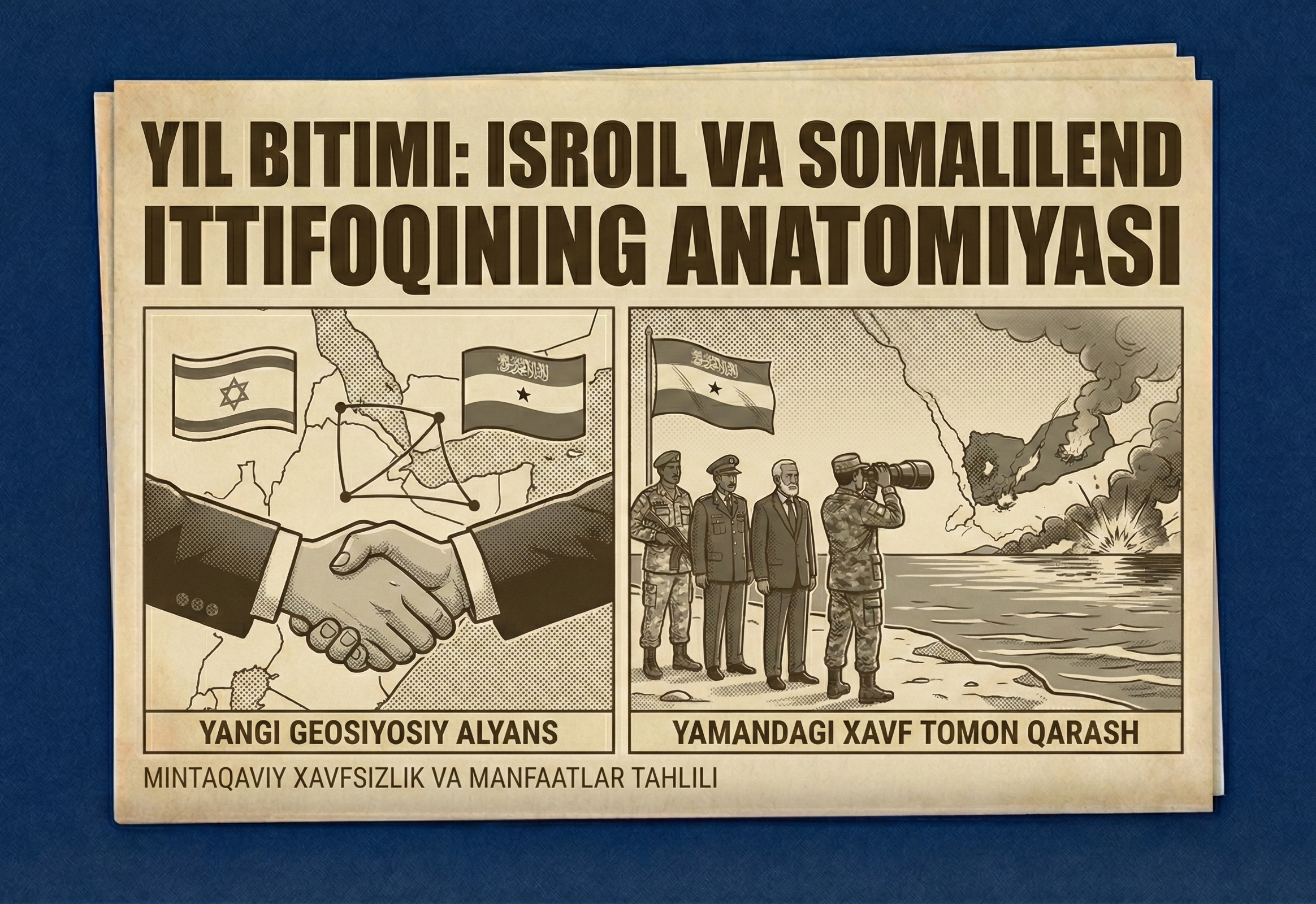
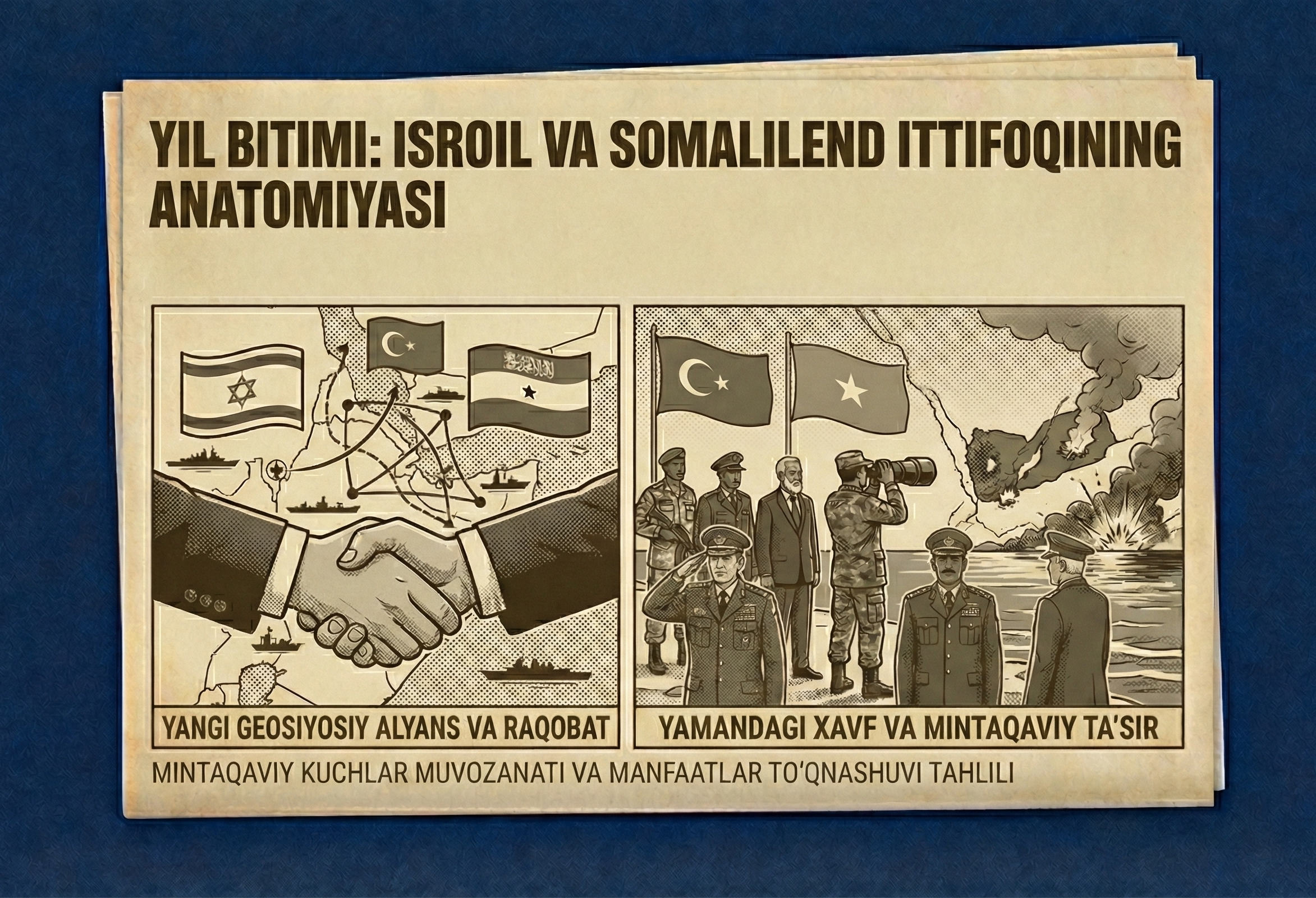
Israel's recognition of Somaliland's independence and the commencement of strategic cooperation have fundamentally altered the regional balance of power. This agreement not only strengthens bilateral ties but also directly impacts the interests of numerous geopolitical players in the Horn of Africa and the Middle East.
Formation of the "Anti-Egypt Arc" and Water Security
Israel's move was an unexpected and painful blow to Cairo. As the dispute between Egypt and Ethiopia over the Grand Ethiopian Renaissance Dam (GERD) reached its zenith in 2025, Israel's emergence in Somaliland—Ethiopia's closest ally—transformed the strategic environment. Tel Aviv has effectively provided Addis Ababa with a "window" to bypass the Egyptian blockade. Cairo interprets this as a direct threat to its water security and a "stab in the back" by Israel that strengthens Ethiopia's regional standing.
Clash with Turkey and Competition over the Red Sea
Turkey has long been the primary military and economic partner of Somalia (Mogadishu). The expansion of Israeli military and intelligence capabilities in Somaliland shatters Turkey's absolute influence in the region. Ankara fears losing its strategic control over the entrance to the Red Sea and has expressed full solidarity with the Mogadishu government, regarding Israel's entry as illegal.
Radicalization of Al-Shabaab and Expanded Terror Threats
Israel's military presence in Somaliland serves as new ideological "fuel" for regional terrorist groups. Al-Shabaab, an Al-Qaeda affiliate, declared the presence of "Zionists" in Somaliland as a threat to the Islamic world. Consequently, the threat of terrorist attacks against Israeli assets has surged not only within Somaliland but also in neighboring Kenya and Ethiopia, as radicals begin to interpret these areas as "occupied lands."
The African Union and the Sanctity of Borders
The recognition of Somaliland risks opening a "Pandora's Box" across the African continent. The African Union charter strictly prohibits the alteration of borders inherited from the colonial era. Israel’s step could inspire separatist movements in Biafra (Nigeria), Tigray (Ethiopia), or Azawad (Mali). Accordingly, many African nations have condemned Israel's actions at the UN level, viewing them as a threat to continental security.
Iran's "Symmetric" Response and Destabilization Risks
Tehran views the Israeli base at Berbera port as a direct threat to its national interests. Iran is likely to supply more long-range missiles to the Houthis in Yemen to target Israeli infrastructure in Berbera. Furthermore, Iranian intelligence services may attempt to destabilize the unrecognized republic from within by activating clandestine cells. Ultimately, while this alliance is a strategic breakthrough for Israel, it remains a source of significant risks for regional stability.