Crisis Within the Coalition: Yemen Terminates Defense Pact with UAE and Declares 90-Day State of Emergency

AI Summary
An unexpected and sharp move has been executed on the geopolitical chessboard of the Middle East. In Yemen, a nation long embroiled in a complex war, the strained relations between allies have escalated into open confrontation. The ultimatum issued by Rashad al-Alimi, head of the Yemeni Presidential Leadership Council, demanding the immediate withdrawal of United Arab Emirates (UAE) forces, is a watershed moment that could fundamentally shift the regional balance of power.
Roots of Discord: Logistics and Smuggling Allegations
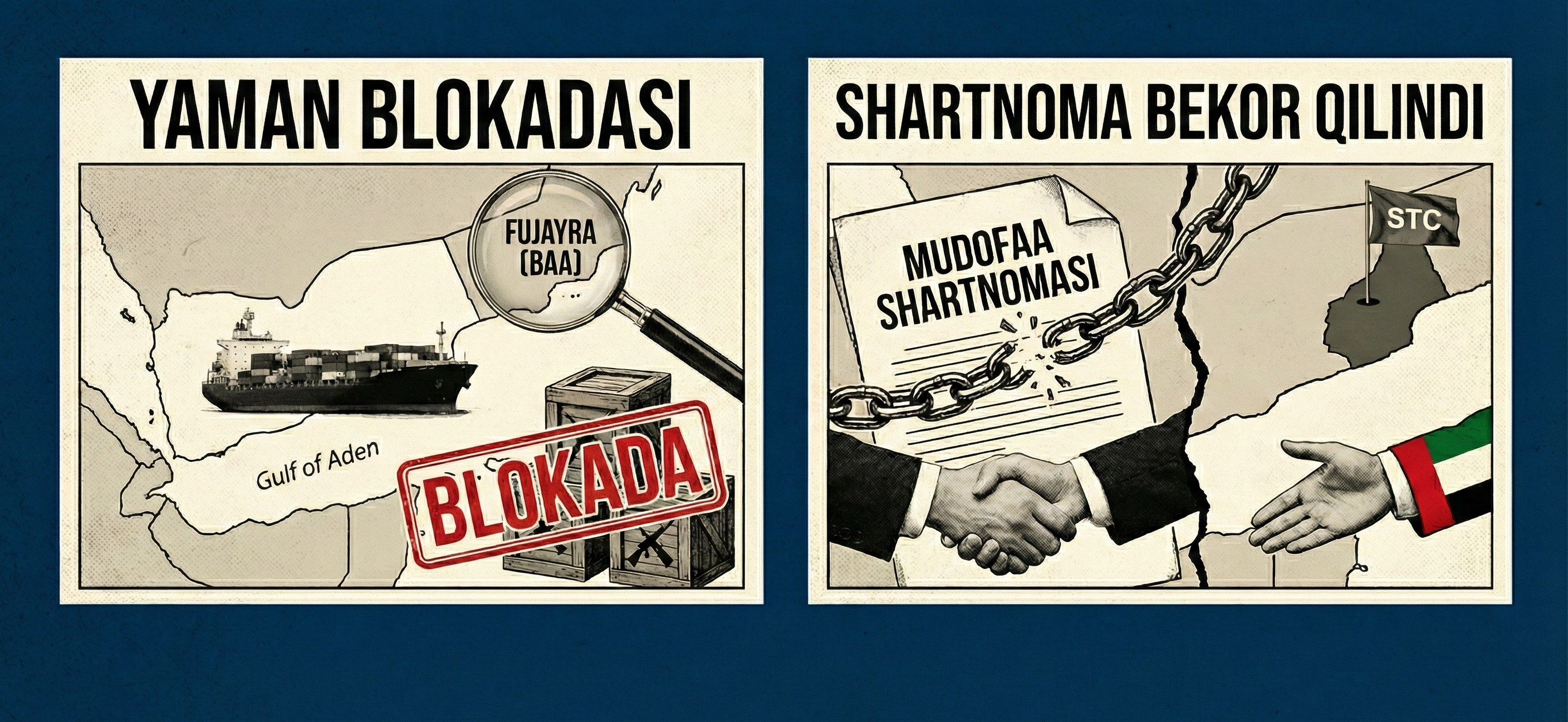
The crisis stems from suspicious movements in the weapons supply chain. Yemen’s leadership accused vessels originating from the Fujairah emirate (UAE) of illegal arms trafficking, leading to a full 72-hour blockade. The termination of the defense agreement is a decisive response to Abu Dhabi’s perceived attempts to expand its sphere of influence in eastern Yemen by supporting the Southern Transitional Council (STC).
Saudi Intervention: A Warning to Abu Dhabi
The most striking development is the Saudi-led coalition’s airstrike on the port of Al-Mukalla. The bombardment of unauthorized vessels arriving from the UAE serves as a blunt warning from Riyadh to its ally. It demonstrates Saudi Arabia’s readiness to use force to maintain its regional leadership, even if it means targeting interests backed by its formal coalition partner.
Global Economic Impact and Energy Security
This escalation poses significant risks to global energy security and maritime logistics. The 90-day state of emergency near the Bab-el-Mandeb strait—one of the world's most vital trade arteries—threatens to spike maritime insurance premiums. For international traders and Central Asian exporters, this translates to potential disruptions in supply chains and increased logistics costs.