The Legend's Last Day in Omaha: Warren Buffett and the New Era of Berkshire Hathaway
AI Summary
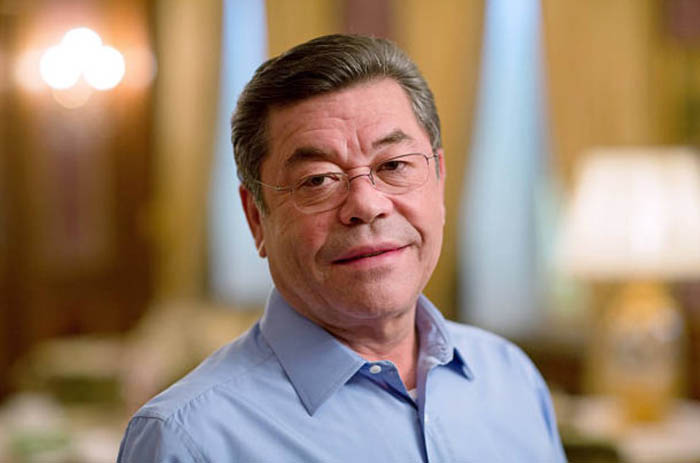
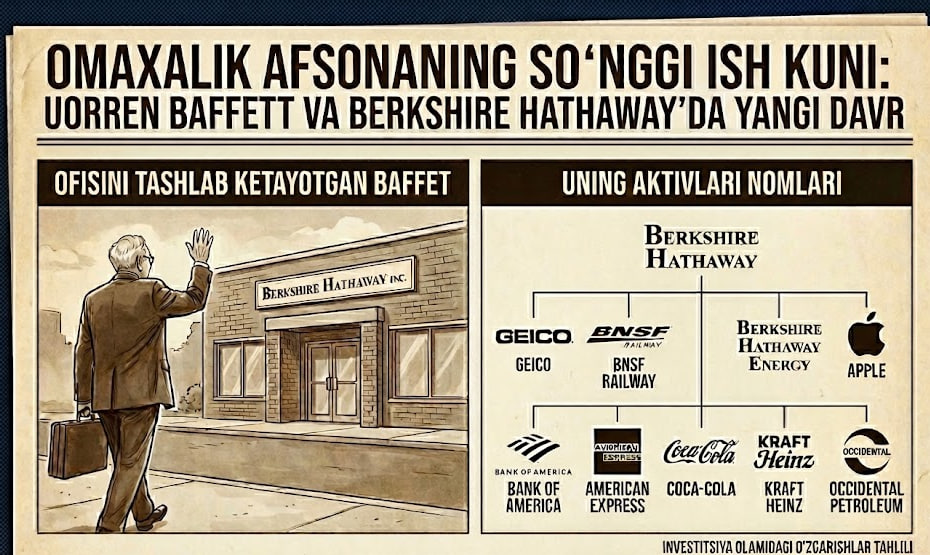
Wednesday, December 31, 2025, marked a monumental milestone in global finance: Warren Buffett completed his final day as CEO of Berkshire Hathaway. The $1 trillion empire, built from a failing textile mill—a venture he once dubbed his "dumbest investment"—concluded its era of original leadership. After six decades at the helm, the 95-year-old Buffett handed over the reins to his handpicked successor, Greg Abel. This transition is not merely a change in personnel; it is a profound resilience test for the unique investment philosophy established by the "Oracle of Omaha."
From a Textile Mill to a Global Conglomerate
Buffett’s success was rooted in a brilliant yet simple strategy: utilizing the "float" from insurance operations to acquire high-potential companies and undervalued stocks. This approach generated unprecedented shareholder value and a personal net worth exceeding $150 billion. Remarkably, Buffett has already donated $208 billion in shares to charity. While he remains Chairman of the Board and plans to frequent the Omaha headquarters, he has made it clear that he will no longer intervene in operational decisions, leaving all executive authority to Greg Abel.
Greg Abel: A Shift toward Structured Management
Serving as Vice Chairman for non-insurance operations since 2018, Greg Abel has already introduced a distinct management style. Moving away from Buffett’s legendary "hands-off" decentralized approach, Abel is recognized for his focus on structure and systematic oversight. Buffett himself noted, "Our managers love autonomy, but sometimes they feel lonely... I gave them freedom, but Greg will give them both freedom and order." The recent addition of a management layer to oversee 32 consumer-facing businesses signals Berkshire’s evolution into a more professional corporate hierarchy.
Investor Anxiety and the $350 Billion "War Chest"
The retirement news was met with market caution. In 2025, Berkshire shares underperformed the S&P 500, with Class A shares retreating 14.4% from their peak of $809,350 to end the year around $754,800. Investors are now focused on three pivotal questions: Will Berkshire finally pay dividends? How will the massive $350 billion cash reserve be deployed? Will the pace of share buybacks change? 2026 will be the definitive litmus test for whether Berkshire can thrive as a "standard" corporation or if it will forever remain in the shadow of its founder.